Search Site


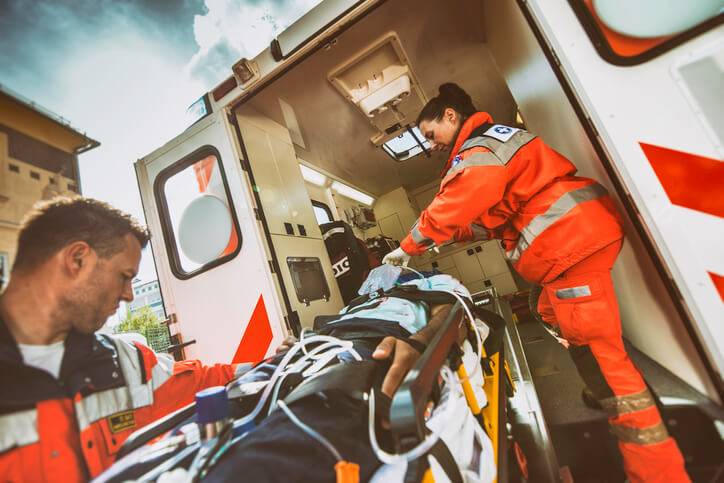
Catastrophic injuries, by their very nature, are defined by their severity, permanence and the profound impact they have on a person’s life. These injuries go beyond mere physical damage, shattering the normalcy of everyday life and weaving a complex web of emotional, financial and practical difficulties. When such injuries become the focal point of personal injury lawsuits, the quest for financial restitution becomes a maze of challenges, made even more intricate by the unique and enduring needs that accompany these life-altering impairments.
Examples of catastrophic injuries are traumatic brain injuries, spinal cord damage, severe burns and amputations, each presenting victims with long-term consequences that can range from physical limitations to cognitive impairments. These injuries require extensive medical treatment and continuous care, rehabilitation, and assistive devices. The financial burden associated with these needs is immense, stretching far beyond immediate costs and into an uncertain future.
The financial strain imposed by catastrophic injuries often drives the pursuit of personal injury lawsuits. However, for victims, obtaining compensation is rarely straightforward. The inherent nature of these injuries, coupled with their long-term and evolving requirements, introduces a layer of complexity that traditional legal frameworks often struggle to address. Accurately estimating future medical expenses, considering potential complications and unforeseen issues, becomes a delicate balance of actuarial science and educated speculation. The risk of underestimating these costs is significant, potentially leaving victims exposed to financial difficulties in the future.
Moreover, catastrophic injuries frequently create special needs that go beyond medical care. Amputees may require custom prosthetics and ongoing physical therapy, while those with spinal cord injuries might need specially adapted housing and assistive technologies. These needs, specific to each case, add another layer of complexity to the financial considerations, necessitating expert testimony and meticulous evaluation to ensure fair compensation.
The emotional impact of catastrophic injuries introduces yet another dimension to this complex scenario. The trauma of the injury, the ongoing struggle to adapt to a new reality, and the persistent fear of the unknown can significantly affect a victim’s mental and emotional well-being. This emotional trauma can manifest in various ways, influencing the victim’s ability to work, manage daily activities, and maintain meaningful relationships. Although challenging to quantify, the emotional repercussions of a catastrophic injury are critical and deserve consideration in the pursuit of compensation.
Experienced catastrophic injury attorneys understand the intricate nuances and unique challenges these cases present. They collaborate with medical professionals, economists, and other experts to construct a comprehensive case that accurately reflects the victim’s long-term needs and the substantial financial burden they bear.
Feinberg & Alban PC pursues justice for the victims of catastrophic injuries throughout Massachusetts. Our Boston office is in Center Plaza and we also have a Brookline location. Please call 617-232-5950 or contact us online to make an appointment for a free initial consultation.
Feinberg & Alban, P.C. fervently protects your rights

Client Reviews
-
 5.0/5.0
Colleen Santora is the kind of attorney you want in your corner. She is incredibly attentive, sharp, and thorough, but what really sets her apart is that she gets things done. When you have Colleen representing you, you know your case is not going t...
-
5.0/5.0
Colleen was amazing. I appreciated her professional expertise and her dedication to helping me get a fair settlement. I am so glad she was my attorney and I highly recommend her.
-
5.0/5.0
My lawyer at this firm was Colleen, she is amazing! Everything was explained to me from the beginning, timeframe was awesome. She is a very knowledgeable lawyer. I would recommend this Law Firm.
-
5.0/5.0
I just wanted to drop a quick note to say thank you to Santora Colleen for securing such a great outcome on my wife case. We really appreciate all your hard work, the way you handled the negotiations, and how you kept us informed every step of the wa...
-
5.0/5.0
Colleen has been incredibly thoughtful, supportive, and professional throughout every step of our case. She guided us carefully through the process, always taking the time to answer our questions and ensure we understood our options. She consistently...

Choose a location to review
Feinberg & Alban PC Law office locations:
Awards & Affiliations












Contact us