Search Site


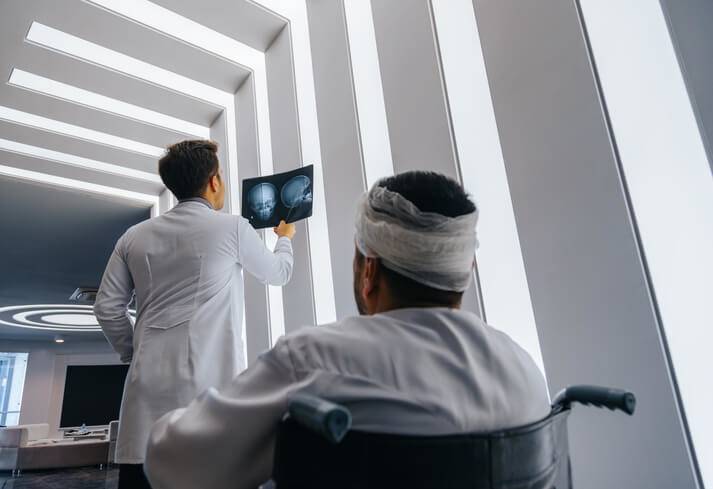
Second-impact syndrome (SIS) is a life-threatening condition that occurs when an individual, usually an athlete, suffers a second head injury before fully recovering from an initial concussion. This second impact can trigger rapid brain swelling, leading to catastrophic consequences. Even minor trauma can cause the brain to lose its ability to regulate blood flow, resulting in massive swelling, increased intracranial pressure, and often death within minutes or hours.
Second-impact syndrome (SIS) is most common in young athletes, particularly in contact sports like football, soccer or hockey. When an athlete sustains an initial concussion, the brain remains vulnerable to further damage for a period, even if symptoms like headache, dizziness, or cognitive difficulty seem to subside. If another blow to the head occurs during this window of vulnerability, the brain may react with widespread cerebral edema, leading to brain herniation, coma, or death. The hallmark of SIS is that the second injury often appears relatively mild but leads to disproportionately severe outcomes.
Short-term effects of SIS include immediate loss of consciousness, dilated pupils, respiratory failure and rapid neurological decline. Without swift medical intervention, death can occur in minutes. Survivors of SIS often suffer from severe long-term consequences such as permanent cognitive impairment, motor deficits, and chronic physical or emotional disabilities. Given the catastrophic nature of second-impact syndrome, it is crucial for injured athletes and their families to seek both medical as soon as possible after a concussion to prevent further harm.
Legal liability may arise if a coach, school, sports organization or healthcare provider did not provide proper medical evaluation, ignored signs of post-concussion syndrome or allowed the athlete to return to play prematurely. A qualified head and brain injury attorney can ensure that those responsible for failing to protect the athlete are held accountable.
The SIS victim may be entitled to compensation for medical expenses, long-term care, loss of future earnings and noneconomic damages such as pain and suffering. The victim (or their family) could pursue a personal injury claim, or in the case of a fatality, a wrongful death lawsuit. Depending on the specific facts, insurance claims could also be pursued, and workers’ compensation might be available for professional athletes injured on the job.
Feinberg & Alban, PC has successfully handled many cases involving head and brain injuries to secure deserved compensation for our clients. We are located at 2 Center Plaza in Boston, with offices in Brookline and Worcester. Call us at 617-232-5950 or contact us online to set up a free consultation.
Feinberg & Alban, P.C. fervently protects your rights

Client Reviews
-
 5.0/5.0
Colleen Santora is the kind of attorney you want in your corner. She is incredibly attentive, sharp, and thorough, but what really sets her apart is that she gets things done. When you have Colleen representing you, you know your case is not going t...
-
5.0/5.0
Colleen was amazing. I appreciated her professional expertise and her dedication to helping me get a fair settlement. I am so glad she was my attorney and I highly recommend her.
-
5.0/5.0
My lawyer at this firm was Colleen, she is amazing! Everything was explained to me from the beginning, timeframe was awesome. She is a very knowledgeable lawyer. I would recommend this Law Firm.
-
5.0/5.0
I just wanted to drop a quick note to say thank you to Santora Colleen for securing such a great outcome on my wife case. We really appreciate all your hard work, the way you handled the negotiations, and how you kept us informed every step of the wa...
-
5.0/5.0
Colleen has been incredibly thoughtful, supportive, and professional throughout every step of our case. She guided us carefully through the process, always taking the time to answer our questions and ensure we understood our options. She consistently...

Choose a location to review
Feinberg & Alban PC Law office locations:
Awards & Affiliations











Contact us