Search Site


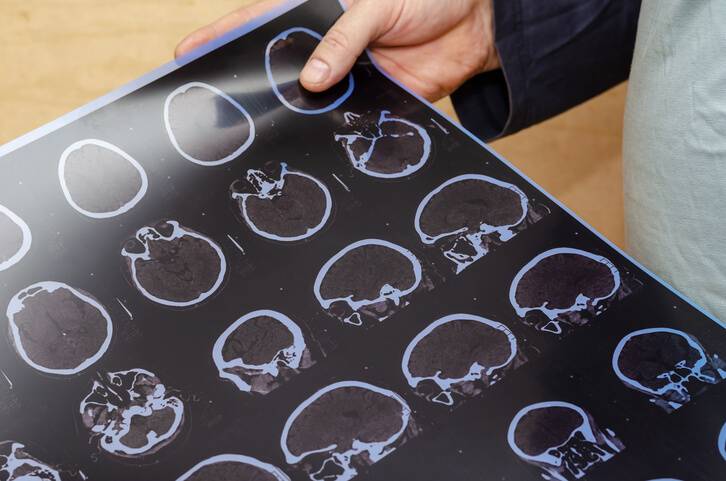
A traumatic brain injury (TBI) occurs when an external object forcibly impacts the head, causing the brain to collide with the inner surface of the skull. A TBI can result in physical damage like bruising, bleeding or tears in brain tissue. This type of injury often arises from motor vehicle collisions, sports-related impacts, falls from various heights, workplace accidents or acts of violence. A TBI can produce a number of cognitive, physical and emotional problems.
The effects of a TBI can vary significantly depending on its severity. Mild TBIs, commonly known as concussions, may cause headaches, dizziness, nausea and brief episodes of confusion or memory problems. These symptoms often improve with proper rest and care, but monitoring is needed to detect any potential complications. Moderate-to-severe TBIs present more alarming symptoms, including persistent confusion, difficulties in speech or movement, slurred speech and, in some cases, seizures. Individuals with severe TBIs may also experience pronounced cognitive impairments, shifts in personality, and heightened emotional instability, such as mood swings or irritability.
Identifying a TBI can be difficult because symptoms may not manifest immediately after the injury, sometimes taking hours or even days to become apparent. This delay can complicate diagnosis and treatment. A head impact victim should seek prompt medical attention. Healthcare professionals use diagnostic tools such as CT scans or MRIs to evaluate the extent of the injury and to formulate an appropriate treatment plan. Early intervention can help facilitate recovery.
The optimal treatment for a TBI depends on its severity. Mild cases typically require rest and monitoring. More serious injuries may call for medical treatment, physical rehabilitation and psychological support. Victims may be able to regain lost skills or adapt to limitations through occupational, physical and speech therapy. Long-term care and support may be necessary to address permanent disabilities and enhance quality of life.
TBI sufferers may be entitled to pursue legal remedies when the injury results from another party’s negligence or intentional harm. Legal claims can pursue recovery of the costs associated with medical treatments, rehabilitation, lost income and other related expenses as well as compensation for pain and suffering. An experienced head and brain injury attorney can provide guidance throughout the claim process, ensuring that victims receive the resources they need to navigate the challenges posed by their injury.
Feinberg & Alban PC, a Massachusetts law firm, has successfully handled many cases involving head and brain injuries to secure deserved compensation for our clients. We have offices in downtown Boston, Brookline and Worcester. Please call 617-232-5950 or contact us online to schedule a free initial consultation.
Feinberg & Alban, P.C. fervently protects your rights


Client Reviews
-
 5.0/5.0
Colleen Santora is the kind of attorney you want in your corner. She is incredibly attentive, sharp, and thorough, but what really sets her apart is that she gets things done. When you have Colleen representing you, you know your case is not going t...
-
5.0/5.0
Colleen was amazing. I appreciated her professional expertise and her dedication to helping me get a fair settlement. I am so glad she was my attorney and I highly recommend her.
-
5.0/5.0
My lawyer at this firm was Colleen, she is amazing! Everything was explained to me from the beginning, timeframe was awesome. She is a very knowledgeable lawyer. I would recommend this Law Firm.
-
5.0/5.0
I just wanted to drop a quick note to say thank you to Santora Colleen for securing such a great outcome on my wife case. We really appreciate all your hard work, the way you handled the negotiations, and how you kept us informed every step of the wa...
-
5.0/5.0
Colleen has been incredibly thoughtful, supportive, and professional throughout every step of our case. She guided us carefully through the process, always taking the time to answer our questions and ensure we understood our options. She consistently...

Choose a location to review
Feinberg & Alban PC Law office locations:
Awards & Affiliations













Contact us