Search Site


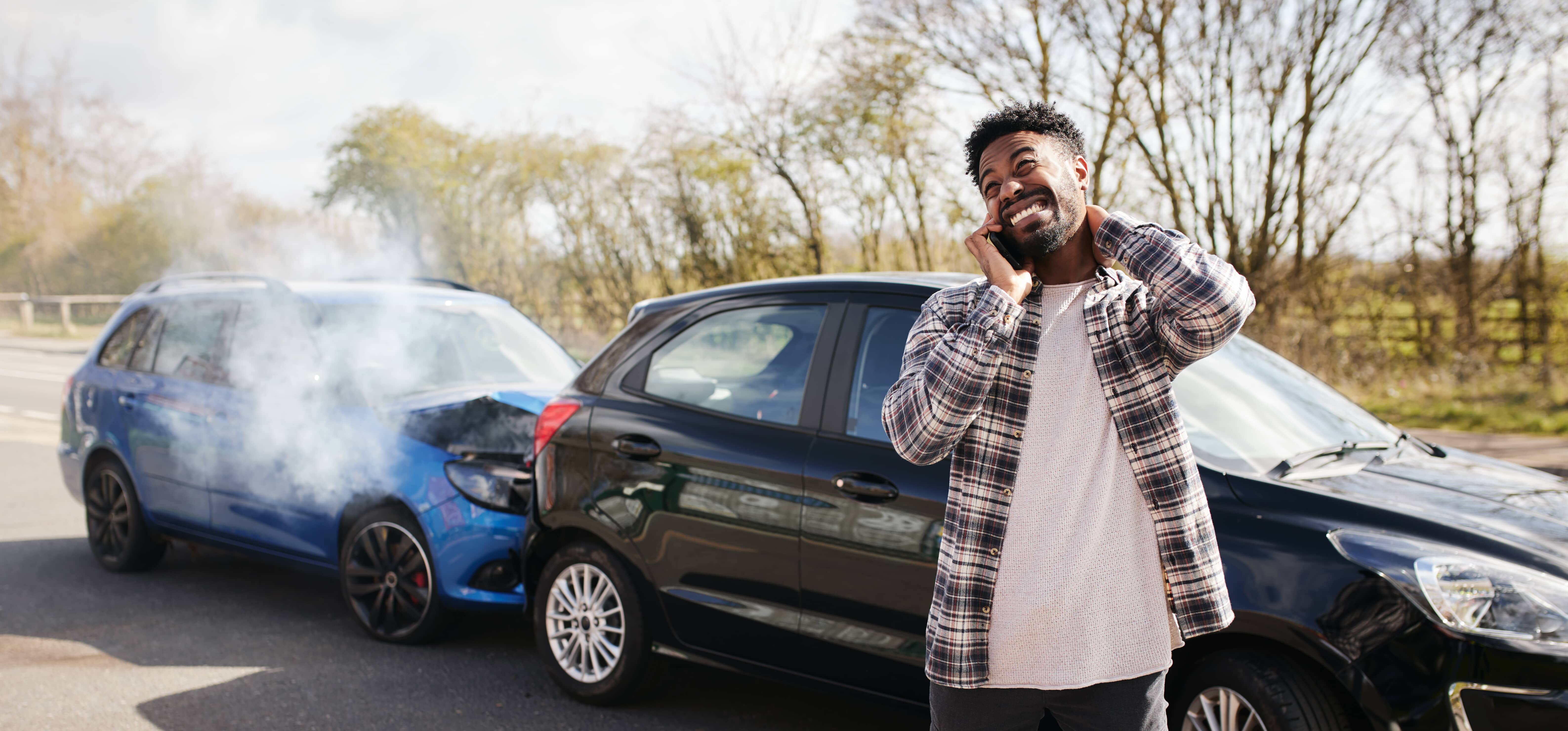
Rear-end collisions are the most frequent type of auto accident, occurring on both highways and local roads. The consequences can be severe, affecting both drivers and passengers in either vehicle involved. A common belief is that the driver behind is always at fault, but in fact, the causes and the liability can be shared.
On highways, rear-end collisions frequently result from high speeds and heavy traffic. Congested roads increase the likelihood of sudden stops, and when drivers are distracted or following too closely, they may not have enough time to react. Speeding also plays a role, as a driver traveling too fast may be unable to stop in time to avoid hitting the vehicle ahead. Adverse weather conditions, such as rain, ice, or fog, can further contribute to rear-end accidents by reducing visibility and making roads slippery, increasing stopping distances.
On local roads, rear-end collisions are often the result of stop-and-go traffic, intersections, and distracted driving. Traffic lights, stop signs, and pedestrian crossings require frequent braking, and if a driver is not paying attention—perhaps due to texting, adjusting the radio, or looking at GPS—they may fail to notice the vehicle in front coming to a stop. Additionally, rear-end crashes commonly occur in parking lots and driveways, where drivers may misjudge distances or fail to see a slowing or stopped vehicle.
Rear-end collisions account for more than 75 percent of crash injuries. A common misconception is that only the occupants of the front vehicle suffer injuries. However, drivers and passengers in both vehicles can be harmed. Whiplash is a well-known injury in these accidents, often affecting the driver and passengers in the struck vehicle. However, the driver of the rear vehicle can also sustain injuries, particularly if the crash occurs at high speeds or if their vehicle is forced into another object or vehicle upon impact. Other potential harm includes back injuries, head trauma and fractures.
While the rear driver is often fault in rear-end collisions, this is not always the case. For example, if the front driver makes an abrupt stop without cause or has non-functioning brake lights, they may bear some responsibility for the crash. Likewise, if a driver suddenly cuts into another lane and brakes unexpectedly, the rear driver may have had no reasonable opportunity to avoid the collision. Multi-vehicle accidents can also complicate the assignment of fault, as chain-reaction crashes may involve multiple drivers and different levels of responsibility.
If you have been injured in a rear-end collision, you need competent legal representation. A qualified auto injury lawyer can help determine cause of the accident, negotiate with insurance companies and help you receive fair compensation for medical bills, lost wages, and pain and suffering. The legal complexities of personal injury claims can be formidable. Professional legal assistance can make a significant difference in the outcome of your case.
The law firm of Feinberg & Alban, with offices in Boston, Brookline and Worcester, offers experienced legal representation for people injured in rear-end collisions throughout eastern Massachusetts. Call us at 617-232-5950 or contact us online to set up your free initial consultation.
Feinberg & Alban, P.C. fervently protects your rights

Client Reviews
-
 5.0/5.0
Colleen Santora is the kind of attorney you want in your corner. She is incredibly attentive, sharp, and thorough, but what really sets her apart is that she gets things done. When you have Colleen representing you, you know your case is not going t...
-
5.0/5.0
Colleen was amazing. I appreciated her professional expertise and her dedication to helping me get a fair settlement. I am so glad she was my attorney and I highly recommend her.
-
5.0/5.0
My lawyer at this firm was Colleen, she is amazing! Everything was explained to me from the beginning, timeframe was awesome. She is a very knowledgeable lawyer. I would recommend this Law Firm.
-
5.0/5.0
I just wanted to drop a quick note to say thank you to Santora Colleen for securing such a great outcome on my wife case. We really appreciate all your hard work, the way you handled the negotiations, and how you kept us informed every step of the wa...
-
5.0/5.0
Colleen has been incredibly thoughtful, supportive, and professional throughout every step of our case. She guided us carefully through the process, always taking the time to answer our questions and ensure we understood our options. She consistently...

Choose a location to review
Feinberg & Alban PC Law office locations:
Awards & Affiliations












Contact us